






 2025.06.23
Hokkaido, Sapporo】8 recommended hot spring and public bath facilities for couples on rocky beach dates! Recommended to get rid of a rut date!
Spots in Sapporo, Hokkaido
I want to experience the charms of Hokkaido in 4 days and 3 nights! "How can we tour the vast island of Hokkaido efficiently without a car?" What is the best route to visit Hakodate, Sapporo, and Otaru in a limited time?
It is natural to ask these questions when planning a trip to Hokkaido. Hokkaido, the largest island in Japan, is dotted throughout the prefecture with fascinating tourist resources, such as magnificent nature, historic towns, and exquisite cuisine.
Because of its size, many people may be concerned that it will be difficult to get around without a rental car, or wonder how much they will be able to enjoy in the limited 4-day/3-night itinerary.
Especially for first-time travelers to Hokkaido, choosing an efficient route and time allocation can be a headache. If you are too greedy, you will end up spending too much time on transportation. On the other hand, if you stay in one place for too long, you will not be able to experience all of Hokkaido's diverse attractions.
Therefore, this article introduces a standard Hokkaido travel model course "Hakodate - Sapporo - Otaru", which can be smoothly toured even by public transportation. This royal route has well-developed transportation access and can be comfortably traveled by train or bus even without a car.
Each city also has a high concentration of tourist attractions, which can be efficiently visited on foot or by local transportation.
Furthermore, the route's appeal lies in the fact that it can be enjoyed in any season.
We have carefully selected spots where you can enjoy Hokkaido's unique experiences at any time of the year, such as cherry blossoms in spring, the blue sea in summer, autumn leaves in fall, and snowy landscapes in winter, as well as gourmet seafood that can be enjoyed all year round.
Whether you are a seasoned traveler or a beginner to Hokkaido, this article will help you plan a memorable trip that will allow you to fully enjoy the charms of Hokkaido, even with a limited itinerary. Now, let's start planning an efficient and luxurious trip to the Hokkaido of your dreams.
The Goryokaku Tower observation deck offers a magnificent view of the Goryokaku Ruins, a special national historic site, below.
Goryo-kaku, spreading out in a star shape, is beautiful in spring, when cherry blossoms bloom and turn pink. The best time to see the cherry blossoms is usually around mid-May. In summer, visitors can enjoy the lush greenery of Goryo-kaku, and in autumn, Goryo-kaku is colored with autumn leaves, and in winter, it is covered with snow.
The Goryokaku, which looks different from season to season, is always an impressive sight to behold.
Visitors can learn about the history of Goryokaku from the arrival of Perry to Goryokaku at the "Goryokaku Historical Corridor" located on the observation floor. Sixteen diorama models reproducing scenes from the Hakodate War and the Meiji Period invite visitors to enter the world of history.
The 1/250 scale model of Goryokaku as it was when it was completed is a valuable exhibit that allows visitors to compare it with the current appearance to get a sense of the passage of time. For history buffs, the "Goryokaku History Guided Tour" conducted by staff is also recommended.
Located on the first floor of Goryokaku Tower, the atrium is an open, glass-walled space that serves as a place of relaxation for locals and tourists alike.
Various events such as concerts and shows are held here. In addition, Goryokaku Tower's official image character "GO-ta-kun" sometimes makes an appearance, which is especially popular with children on weekends and holidays. GO-ta-kun usually appears on Saturdays, Sundays, and holidays from April to October, but this schedule is subject to change or cancellation due to events.
The current Goryokaku Tower is the second generation of the Goryokaku Tower, which reopened on April 1, 2006. The old tower was built in 1964 to commemorate the 100th anniversary of the construction of Goryokaku, and was popular for 41 years, but was rebuilt due to the aging of the facilities.
The new tower is 107 meters tall, and from the observation deck, visitors can see the star shape of Goryokaku more clearly. The observation deck is pentagonal, and the tower body is star-shaped, in a design inspired by the Goryokaku fortress.
| Location | 43-9 Goryokaku-cho, Hakodate |
|---|---|
| Access | 10 min. walk from Hakodate Ekimae Tram Stop - Goryokaku Koen-mae Stop. |
Click here for Goryokaku Tower WEB site
Located near the ruins of Goryokaku, a special historic site, Hakodate Menchuribo Ajisai Honten is a long-established ramen restaurant with a history of over 90 years. It was founded as a Chinese restaurant in the Daimon area of Hakodate and later moved to Goryokaku. Over the years, it has grown to become one of Hakodate's most famous restaurants, supported by both locals and tourists alike.
Salt ramen is one of Hakodate's most popular tastes, and is characterized by its clear, light soup.
The broth, carefully prepared from kelp, seafood, pork bones, and other ingredients, has a simple yet deeply delicious flavor that makes you want to drink every last drop. Thin, straight noodles intertwine well with this delicate broth.
Hakodate's salt ramen, which continues to evolve while maintaining the traditional methods of production, is truly a must-try when visiting Hakodate.
Ajisai's appeal is not limited to its signature dish, shio ramen. Percow noodles, based on shio ramen, and a large "zangi" served with sansho (Japanese pepper) salt are also popular.
The simple and somewhat light-flavored "fried rice" also has a taste that you will never get tired of. Many noodle and rice dishes can be ordered in half-size portions, making the restaurant accessible to women and children.
Hakodate Menzukyubou Ajisai Honten" offers many noodle and rice dishes in half-size portions. Women who want to enjoy a variety of dishes in small portions and customers with small children will be very pleased with this half-size service.
There are also chairs available for children, so the whole family can enjoy a meal together in peace. It is also ideal for those who want to try different tastes on their trip.
After visiting Goryokaku, one of Hakodate's most popular sightseeing spots, be sure to stop by Hakodate Menchuribo Ajisai Honten. This long-established ramen restaurant has been in business for over 90 years and has long been a favorite of locals and tourists alike. The clear yet deep and rich salt ramen is one of the best examples of Hakodate ramen.
| Location | 29-22 Goryokaku-cho, Hakodate |
|---|---|
| Access | 15 minutes walk from Goryokaku Koen-mae Station |
Hakodate Menchuria WEB site is here.
Hakodate Meiji-kan is a historic red brick building built in 1911 as the Hakodate Post Office. Located in the Hakodate Bay area, it is now used as a shopping mall.
With its brick walls and semi-circular arched windows, the building retains a strong resemblance to its original appearance. The building tells the history of Hakodate, which prospered as the gateway to Hokkaido, and is well known as a symbol of the city.
Hakodate Meiji-kan is a charming spot that offers a wide variety of souvenirs representative of Hakodate and Hokkaido. The glassware selection is especially extensive, ranging from cute figurines to accessories, tableware, and luxurious Venetian glass.
The area is lined with stores of various genres, including music box stores, teddy bear stores, Hakodate's unique sweets stores, and fashionable general merchandise stores.
Hakodate Meiji-kan offers a menu of hands-on activities to give shape to your travel memories. At the handmade music box workshop, you can choose a song of your choice and create your own original music box by freely combining glass accessories and other items.
At the sandblasting workshop, visitors can create one-of-a-kind glasses and small plates by blowing sand into glass and engraving designs and letters. Both experiences are perfect as souvenirs or mementos of your trip, and are especially popular among school excursion students and couples.
At the Hakodate Japanese and Western Modern Costume Rental Hakodate Meiji-kan Branch, located inside the Hakodate Meiji-kan, you can rent kimono and dress costumes for a fee. A simple dressing and hair arrangement service is also available, making this an ideal place to enjoy an unusual photo shoot in the retro building and surrounding bay area.
With the beautiful architecture of the Meiji era and the sea of Hakodate in the background, your photos will not only look great on social media, but will become memories that will last a lifetime. Why not commemorate your trip as a couple or a family with a photo experience in a special costume?
Located in the Hakodate Bay area, Hakodate Meiji-kan is a convenient facility where visitors can easily stop by during their sightseeing. The museum is equipped with lockers where visitors can leave their baggage while waiting for the bus.
Adjacent to the seafood market, visitors can enjoy not only shopping but also dining. It is an ideal spot to take a break from traveling and enjoy shopping while feeling the atmosphere of the historical buildings.
| Location | 11-17 Toyokawa-cho, Hakodate |
|---|---|
| Access | 15 minute walk from Hakodate Station |
Hakodate Meiji-kan WEB site is here.
The Kanamori Red Brick Warehouse, located in the Hakodate Bay area, is a historic building that symbolizes the port city of Hakodate. 1909, the warehouse was built and once played an important role as a warehouse supporting Hakodate's shipping industry. After being destroyed by fire in 1907, the current building was rebuilt as a noncombustible warehouse.
In the late Showa period, the warehousing industry ceased its role, but the building was renovated in 1988 (1988) and is now a popular commercial complex with restaurants and stores. Some of the buildings are still in use as warehouses, making it a fascinating spot where history and modernity coexist.
The history of the Kanamori Red Brick Warehouse dates back to 1869 when Kumashiro Watanabe I opened the Kanamori Moriya Western Goods Store. Hakodate's first business warehouse was started in 1887 (Meiji 20) and expanded in scale with the development of the shipping industry at the Port of Hakodate.
It was destroyed by fire in 1907, but the current red brick warehouse with fireproofing was rebuilt in 1909 (Meiji 42). In response to changes in logistics, the building made a new history as a commercial complex in 1988 (1988).
Built in the Meiji period (1868-1912), the Kanamori Red Brick Warehouse once flourished as a base for the shipping industry and was rebuilt after one major fire. Later, as logistics changed, the warehouse ceased its role as a warehouse, but it attracted attention as a valuable historical building, and in 1988, it made a new start as a commercial complex. Today, part of the building is still used as a business warehouse, and as a symbol of the Bay Area, it conveys the charm of Hakodate.
The seven buildings of the Kanamori Red Brick Warehouse are divided into four areas: Hakodate History Plaza, Kanamori Hall, Kanamori Yokomonokan, and BAY Hakodate, where a diverse array of stores including souvenir stores, restaurants, and beer halls are located. In addition to shopping and dining, the area is also the site of a Christmas fantasy in winter, creating a fantastic atmosphere.
This is a major winter event starring a huge Christmas tree that appears in the waters of Hakodate Harbor, right in front of the Kanamori Red Brick Warehouse. The tree, illuminated with approximately 150,000 light bulbs, creates a fantastic sight, and fireworks are launched every day at 6 p.m. to coincide with the lighting of the tree. The "Premium Red Tree," in which the tree glows red for about 15 minutes three times daily during the period, is also not to be missed.
Soup bars will be set up on the sidewalk in front of BAY Hakodate, where visitors can enjoy hot soup. Various events will also be held in the Kanamori Red Brick Warehouse and surrounding facilities, adding to the Christmas mood.
Kanamori Red Brick Warehouses are historical buildings representing the port city of Hakodate and the center of Hakodate tourism. Built in the Meiji era (1868-1912), the red brick warehouses have been reborn as commercial facilities and are now crowded with tourists.
| Location | 14-12 Suehiro-cho, Hakodate City |
|---|---|
| Access | 15 minutes walk from Hakodate Station |
Kanamori Red Brick Warehouse WEB site is here.
Mount Hakodate Observatory, which offers a panoramic view of Hakodate city, the Tsugaru Straits, and Hakodate Bay, has been awarded three stars by the "Michelin Green Guide Japon". The view from the 334-meter-high observatory is spectacular day and night, especially at night, and is one of the "World's Three Greatest Night Views" along with Hong Kong and Naples.
The observatory building is a four-story structure with restaurants, stores, and tea lounges, and the rooftop observatory on the top floor offers a 360-degree panoramic view. 2015 saw the building undergo a renovation to make it more comfortable.
Mount Hakodate was created by an undersea volcanic eruption about 1 million years ago. Over the ensuing years, sediment was deposited, and approximately 5,000 years ago, it was connected to the land, forming the unique landform known today as "land-locked island.
The summit of the mountain was once pointed, but was cut away during the construction of a fortress in the Meiji era (1868-1912), giving it its present appearance. After the war, restrictions on access to the fortified area were lifted, and in 1953 an observation deck was built. In 1958, a ropeway opened, and the mountain has become a symbol of Hakodate and a popular destination for many people.
Mount Hakodate summit can be reached by ropeway, mountain bus, cab, or on foot. The most common route is the Mt. Hakodate ropeway, which takes approximately 3 minutes from the base station to the summit. The mountain bus runs from in front of JR Hakodate Station and takes you to the summit without changing buses.
Access by personal car or rental car should be noted that traffic restrictions are in effect during the night viewing hours. During winter (from around late November to mid-April), the mountain trail is closed to vehicular traffic, but the ropeway is in operation.
The temperature at the summit can be cooler and windier than in the city center, so a jacket is recommended even in summer. You can check the congestion status on the "Mt. Hakodate Congestion Distribution System". The ropeway and observatory can be very crowded, especially in the evening and at night.
The night view from Mt. Hakodate is one of the "World's Three Greatest Night Views" along with Hong Kong and Naples. The lights of the city spread out over the narrow terrain are as beautiful as if a jewel box had been turned upside down. It has earned a three-star rating in the Michelin Guide and is recognized around the world for its beauty.
The night view from the top of Mount Hakodate is spectacular, but on days when it is cold or there are strong winds, it may be difficult to enjoy the night view slowly. In such cases, why not visit a restaurant at the foot of Mt. Hakodate or a bar on the top floor of a hotel near Hakodate Station?
You can relax and enjoy the night view in a warm room while enjoying food and drinks. Especially from dusk to night, the increasing lights of the city are very romantic. The up-close view of the city lights, which is different from the view from the top of the mountain, gives a fresh impression. Advance reservations are recommended for popular restaurants.
| Location | How to get to Mt. Hakodate Ropeway 19-7 Motomachi, Hakodate City |
|---|---|
| Access | 10 minute walk from Jujigai stop on the streetcar from Hakodate Station. |
Click here for Mt. Hakodate Ropeway WEB site
Hakodate Yunokawa Onsen, known as one of the three major hot spring villages in Hokkaido, is a renowned hot spring with a long history of over 370 years. Legend has it that the onsen was once used to cure the illness of the lord of the Matsumae Clan, and it has been loved by many people. It is only a 10-minute drive from Hakodate Airport, making it a very convenient base for sightseeing in Hakodate.
Hakodate Yunokawa Onsen has a long history, dating back to 1653.
Legend has it that when a young child of the lord of the Matsumae domain fell ill with an incurable disease, his mother followed the omens of a dream she had and cured him in a hot spring, which completely cured his illness. This is said to be the origin of Yunokawa Onsen, and the feudal lord rebuilt Yakushido and dedicated a crocodile entrance as a token of gratitude.
There is also an even older legend that in 1453, a woodcutter discovered a hot spring and enshrined a statue of Yakushi Nyorai as thanks for healing his wounds, which is believed to be the origin of today's Yugura Shrine.
The name "Yunokawa" is thought to derive from the Ainu word "yuphet," meaning "hot water/river. It is said that there have been naturally gushing hot springs in the area since ancient times, and there is a legend that a woodcutter discovered a hot spring in 1453 during the Muromachi period (1336-1573). This is believed to be the origin of the present-day Yugura Shrine.
In 1653 during the Edo period (1603-1868), there is a record that an incurable disease of the lord of the Matsumae domain was completely cured by a hot spring cure, and this is believed to be the origin of Yunokawa Onsen. In the Meiji era (1868-1912), hot springs were dug up in earnest and developed as a therapeutic bath, and with the opening of trains in the Taisho era (1912-1926), the area entered its golden age as the "backwater of Hakodate. It is said that Takeaki Enomoto used the onsen during the Hakodate War. Today, the baths continue to heal many people with their abundant supply of hot spring water and excellent quality.
Yunokawa Onsen developed during the Meiji period (1868-1912) when hot spring water was dug up in earnest. Restaurants, inns, and stores opened one after another, and the area became crowded with many hot spring cures and holidaymakers.
The Taisho Era (1912-1926) saw further development with the opening of trains and improved accessibility, and as "Hakodate's backyard," the area entered its golden age as a hot spring resort during this period.
Yunokawa Onsen is mainly sodium calcium chloride spring water, which is clear, colorless, odorless, and has a characteristic of being moist to the touch. The saline content of the spring is said to have a high heat-retaining effect, making it difficult for the water to cool down. The source temperature is as high as about 65 degrees Celsius, so the temperature is adjusted to the proper level and supplied to the customer. It is said to be effective for rheumatism, neuralgia, sensitivity to cold, and recovery from fatigue. It is also said to be good for cuts and burns.
| Location | 1, Yukawa-cho, Hakodate City |
|---|---|
| Access | Hakodate City Tram "Yunokawa Onsen Station" alighting |
Hakodate Yunokawa Onsen WEB site is here.
The recommended course for the second day isSapporo SightseeingIt is. Here are some recommended places to visit.
Hakodate Asaichi, which is only a 1-minute walk from JR Hakodate Station, is a huge market with about 250 stands, and is said to have originated when farmers sold vegetables and other goods standing up right after the end of the war.
In addition to fresh seafood, all kinds of Hokkaido delicacies are gathered here, including vegetables, fruits, sweets, and delicacies. The Hakodate Asaichi Hiroba market is also home to the Donburi Yokocho Market, Eki II Market, and Hakodate Asaichi Hiroba. The "Original Live Squid Fishing Pond" at Eki II Market is particularly popular, where visitors can taste squid they have caught themselves right on the spot.
There are also many restaurants offering fresh seafood bowls, allowing visitors to enjoy Hokkaido's "food" from the morning.
| Location | 9-19 Wakamatsu-cho, Hakodate (Hakodate Morning Market Cooperative Union Secretariat) |
|---|---|
| Access | 1 minute walk from JR Hakodate Station |
Hakodate morning market WEB site is here.
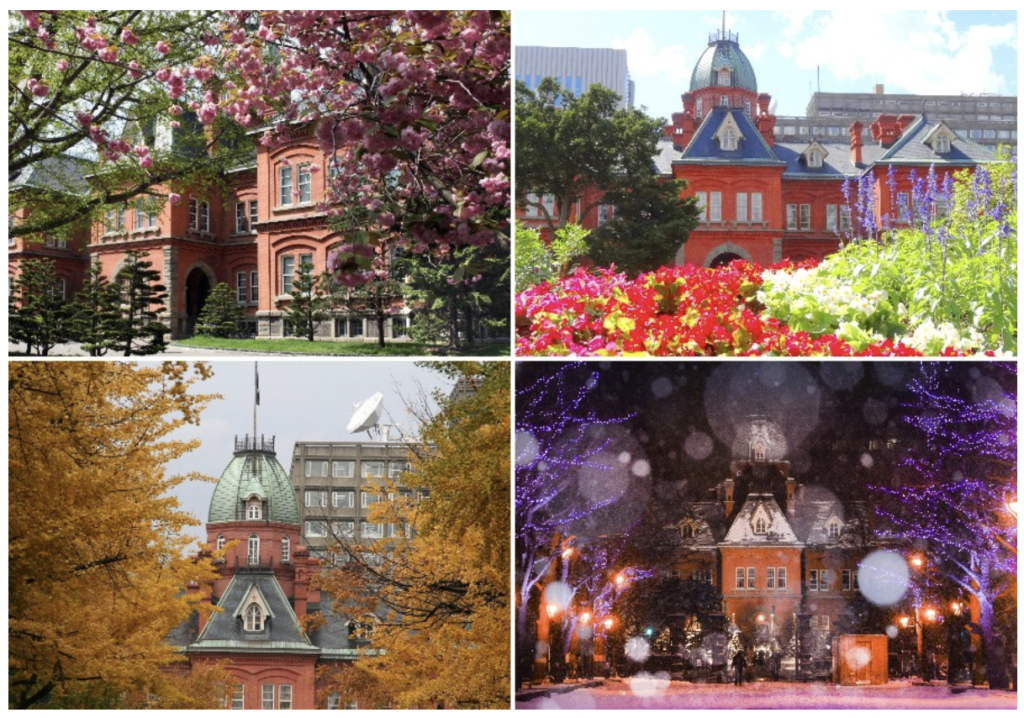
Located in the heart of Sapporo, the former main building of the Hokkaido Government is a historic structure nicknamed the "Red Brick Office Building.
The building, which has served Hokkaido's provincial government for about 80 years, is only a 5-minute walk from Sapporo Station and is loved by many people as an attractive spot where they can enjoy the changing nature of the four seasons in the city.
Completed in 1888, the former main building of the Hokkaido Government Office was built in the American Neo-Baroque style using approximately 2.5 million bricks.
Constructed with the best of Hokkaido technology of the time, the building is both functional and beautiful, with distorted glass from the Meiji era and double doors to protect against the cold. The octagonal tower in the center of the roof is another distinctive feature, which is considered a symbol of independence and enterprising spirit.
It is one of the largest Western-style brick buildings in Japan built in the Meiji period (1868-1912) and is designated as a National Important Cultural Property due to its historical value.
Upon entering the museum, visitors are warmly greeted by a red-carpeted entrance hall. This is the perfect place for a commemorative photo. Inside, a diorama reproducing the streets of Sapporo in the Meiji era and valuable paintings showing the history of Hokkaido's development are on display, giving visitors a glimpse into Hokkaido's past. The 26-division map of Hokkaido created by Takeshiro Matsuura, who gave the island its name "Hokkaido," is a particularly worthwhile exhibit.
One of the major attractions of the Former Main Building of the Hokkaido Government is the beautiful garden that stretches across the front yard of the building. In this garden, visitors can enjoy the natural scenery of the four seasons.
In spring, cherry blossoms and lilacs are in full bloom, and in summer, the lush green trees and hammamanas are vibrantly colorful. In autumn, the entire garden is beautifully tinted with red and yellow autumn leaves, offering a different look in each season.
Mallard ducks and carp swim in the pond, creating a soothing space that makes you forget that you are in the center of the city.
(Image source: from the website of the former main building of the Hokkaido Government Office)
| Location | 6, Kita 3-jo Nishi, Chuo-ku, Sapporo, Japan |
|---|---|
| Access | 8 minutes walk from JR Sapporo Station West Exit 4 minutes walk from exit 10 of Sapporo Station on the Namboku Subway Line. |
Shiroi Koibito Park, a theme park for Sapporo's famous confectionery "Shiroi Koibito," is an attractive spot for lovers of sweets.
In the fee-based area "Choco Topia House," visitors can enjoy learning about the history of chocolate in a time-travel tour guided by Dr. Chocolate and the Chocolate Fairy. Visitors can enjoy a beautiful visual presentation using projection mapping during the tour to learn about the four major revolutions of chocolate. Visitors can also see Dr. Chocolate's collection, including valuable chocolate cups from medieval Europe.
At the "Sweets Workshop Dream Kitchen" in Shiroi Koibito Park, a theme park for Sapporo's famous "Shiroi Koibito" confectionery, visitors can make their own original sweets. Of these, we recommend the "My Shiroi Koibito Baking Course," in which you can draw pictures and letters on a 14-cm heart-shaped cookie and finish it off.
At the Choco Topia Factory in Shiroi Koibito Park, visitors can observe the production line of Shiroi Koibito and baumkuchen. This is a unique experience where visitors can see the process of baking baumkuchen up close. A diorama of the workers who make the "Shiroi Koibito" is also on display, a cute device that is popular with children. Here, visitors can learn about the process of making sweets in a fun way.
Chocolate Lounge Oxford is a cafe on the top floor of Shiroi Koibito Park. It is a luxurious space with a magnificent view of the park's symbolic Karakuri Clock Tower, the beautiful courtyard, and even the Miyanosawa Shiroi Koibito Soccer Ground. It is the perfect place to take a relaxing break after a long day of fun while enjoying a cup of hot chocolate or other sweet treats. Limited-edition sweets are also offered for a special tea time that can only be enjoyed here.
Shiroi Koibito Park is full of attractive spots for photo shoots. The red-carpeted staircase of the Tudor House has a castle-like atmosphere and is a popular photo location. The Rose Garden, with approximately 200 roses in bloom, is also a beautiful place to take pictures, especially when the roses are at their best. The Karakuri Clock Tower, courtyard, and trick art objects also provide many memorable and unique photo opportunities.
| Location | 2-2-11-36 Miyanosawa, Nishi-ku, Sapporo, Hokkaido |
|---|---|
| Access | 7-minute walk from Miyanosawa Station on the Sapporo Municipal Subway Tozai Line. |
Shiroi Koibito Park WEB site is here.
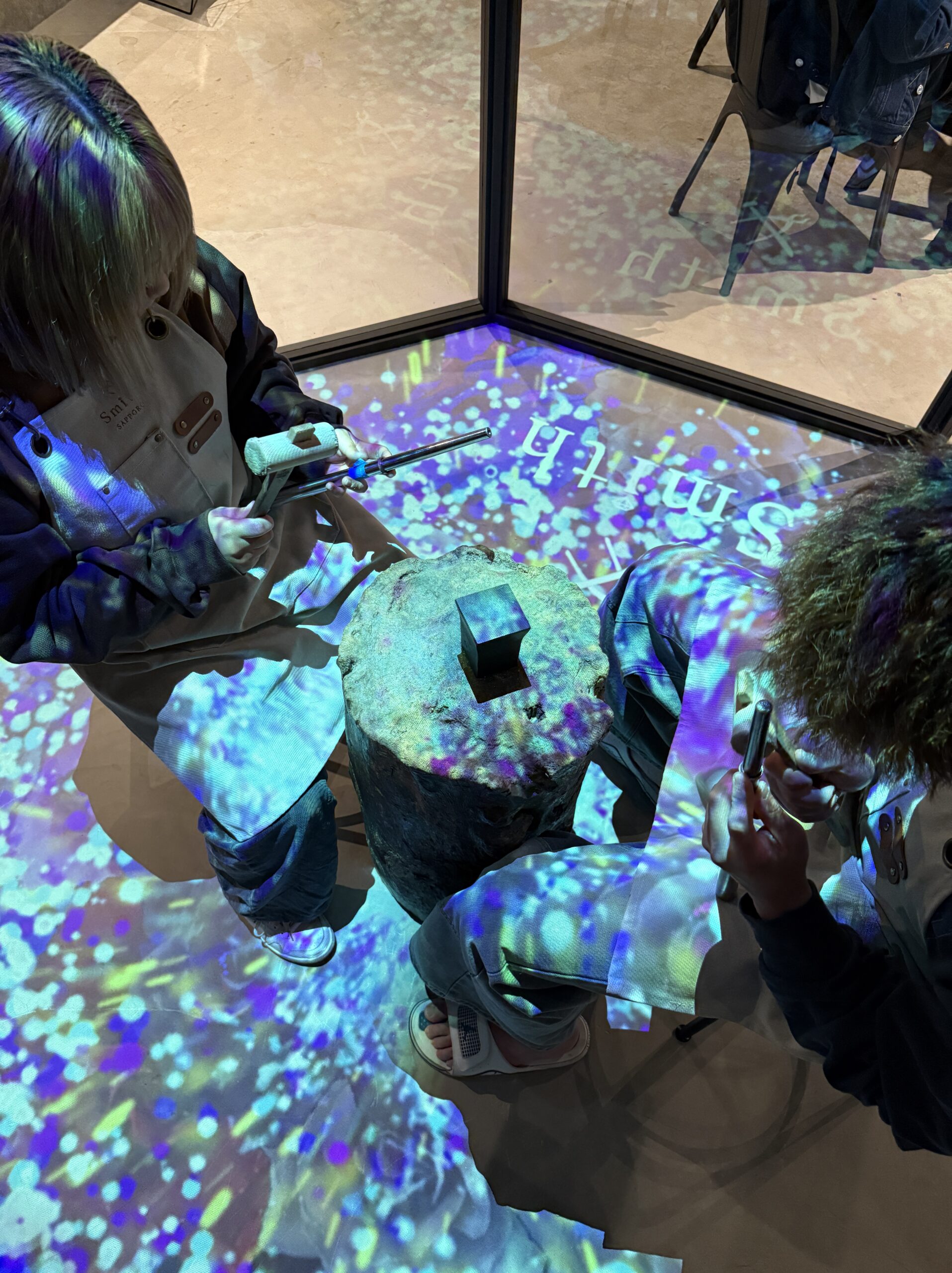
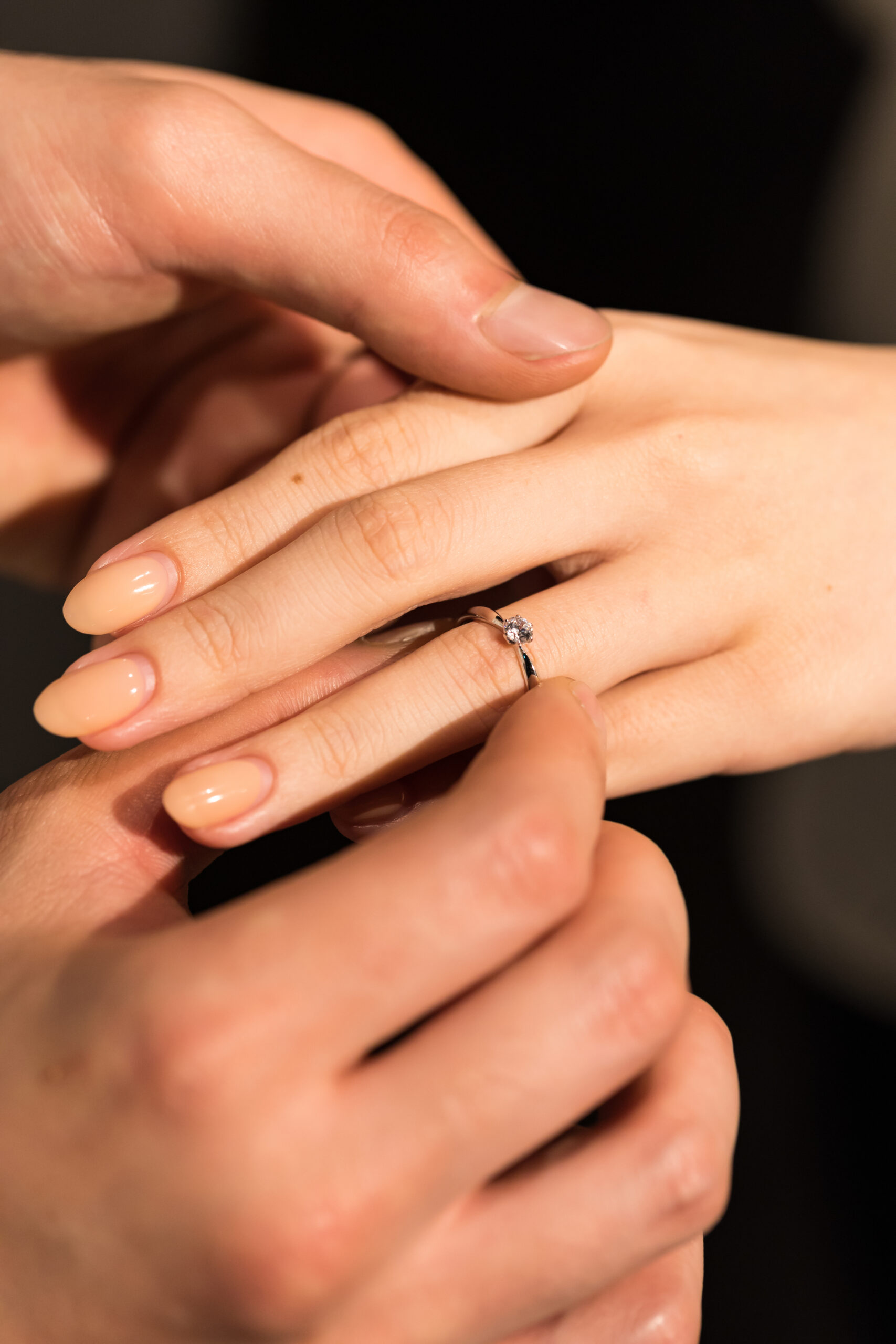
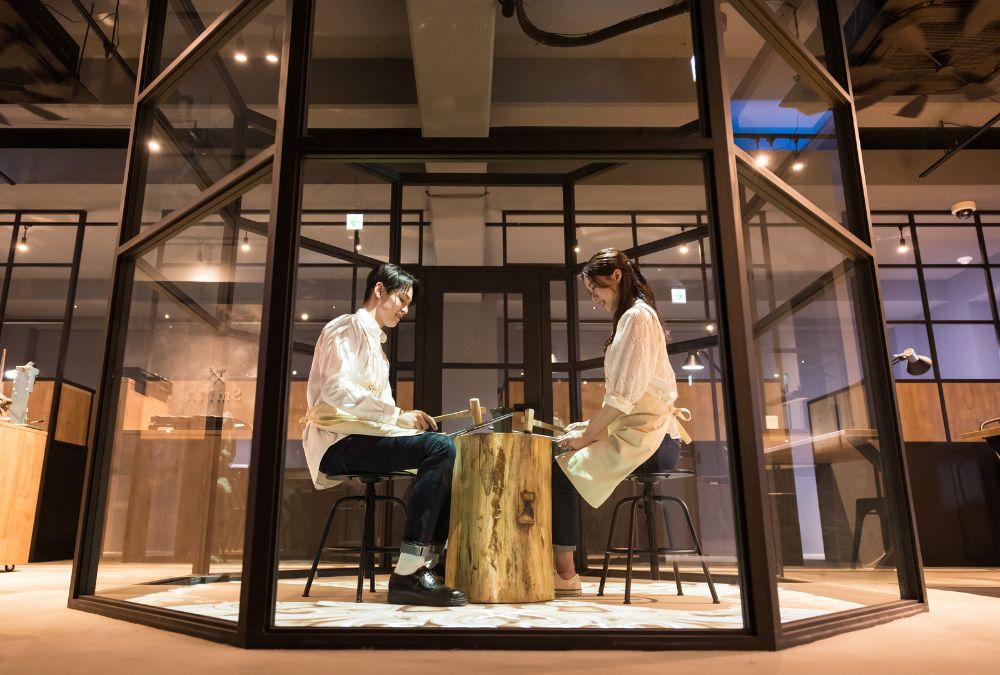
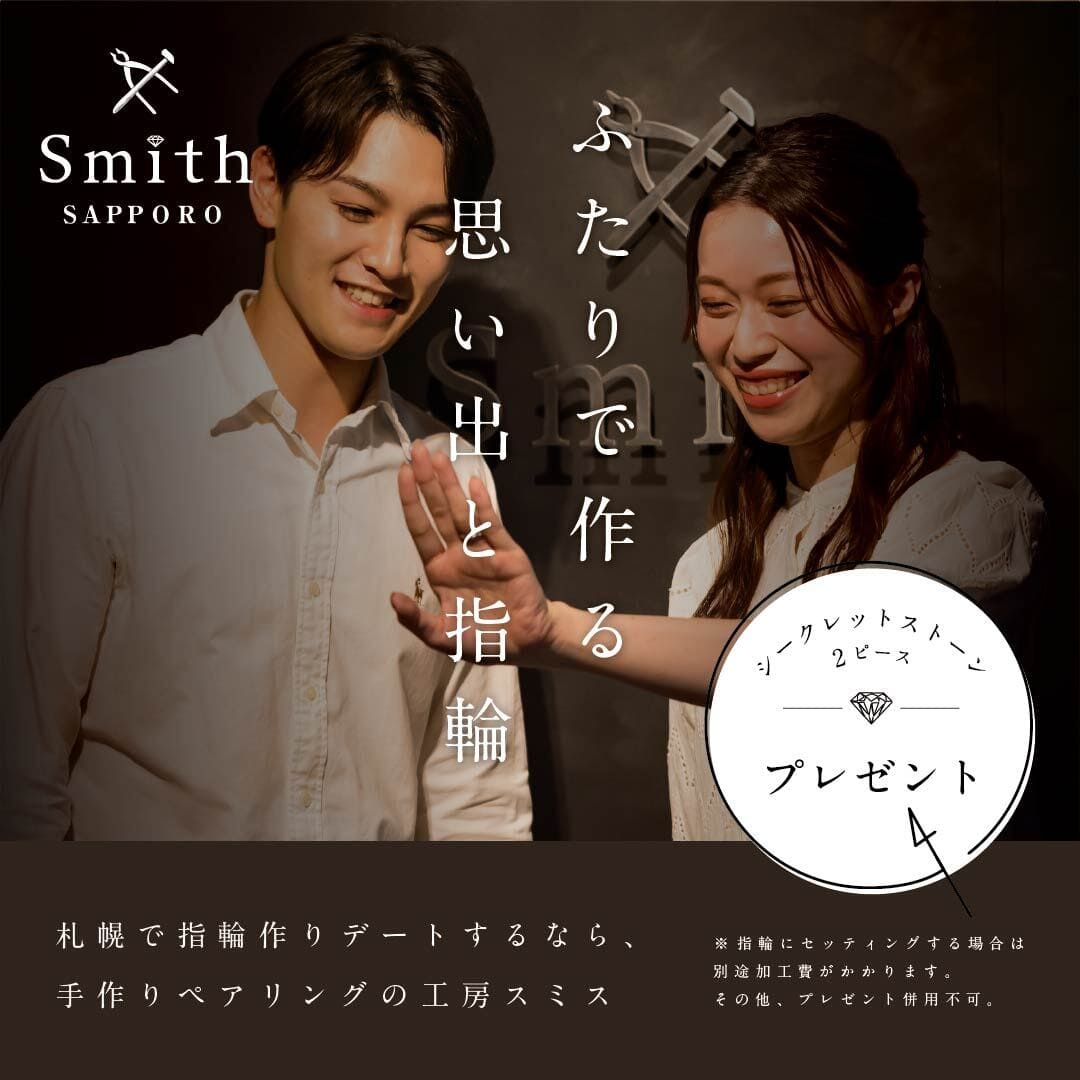
Whether as a memory of sightseeing in Sapporo, a date with your loved one, or as a reward for yourself, Kobo Smith Keio Plaza Hotel Sapporo offers a special experience to create the world's one and only original pairing with your own hands. With the careful assistance of skilled craftsmen, the process of pounding and polishing the metal to create your own unique ring will surely be an unforgettable experience.
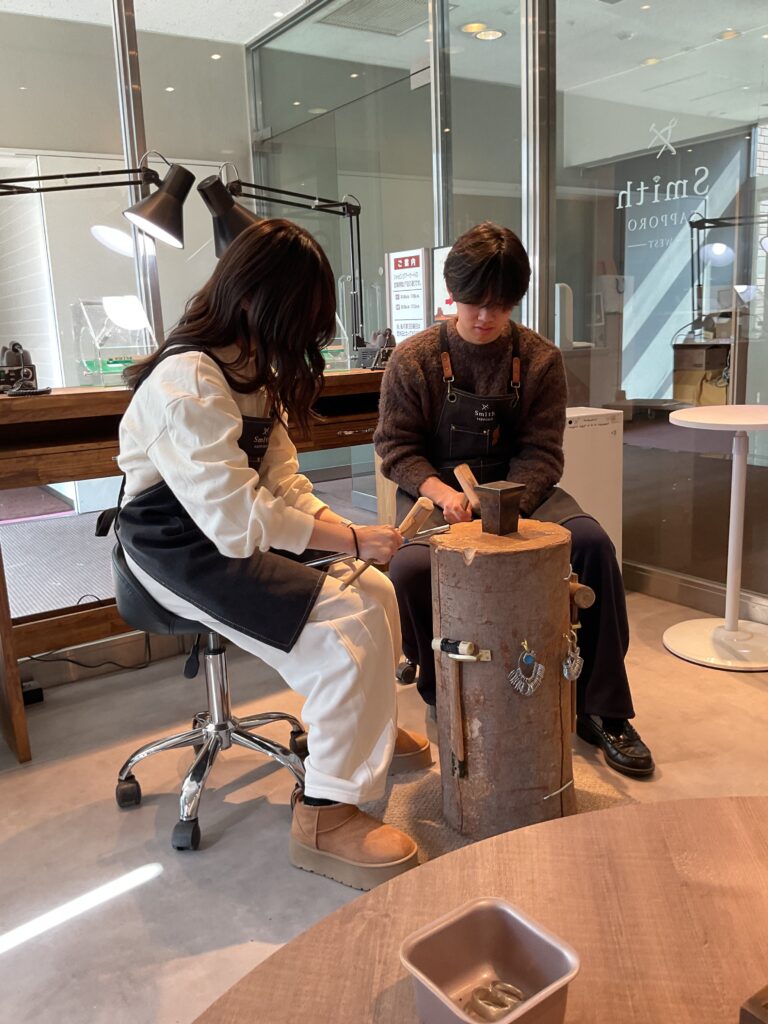
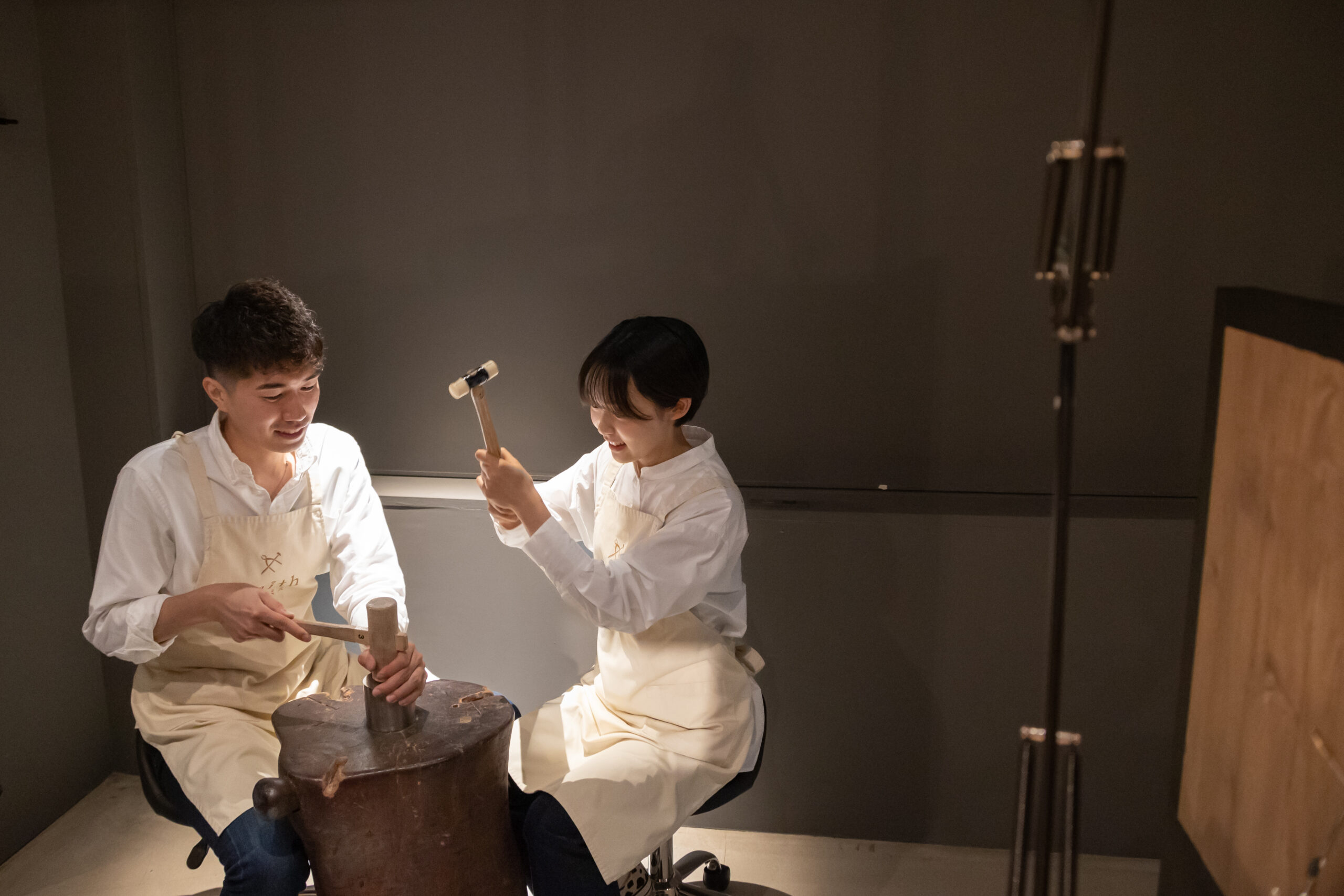
At Kobo Smith Sapporo Keio Plaza Hotel Sapporo, from one person to a maximum of six people can easily experience making a pair of rings. As a commemorative gift for a trip, a present for a loved one, or a reward for yourself, you can complete a one-of-a-kind original ring in about an hour and take it home with you that same day. Even if you have no experience in metalworking, skilled craftsmen will provide you with careful support so that you can tackle the project with confidence. This activity is perfect for creating special Sapporo memories.
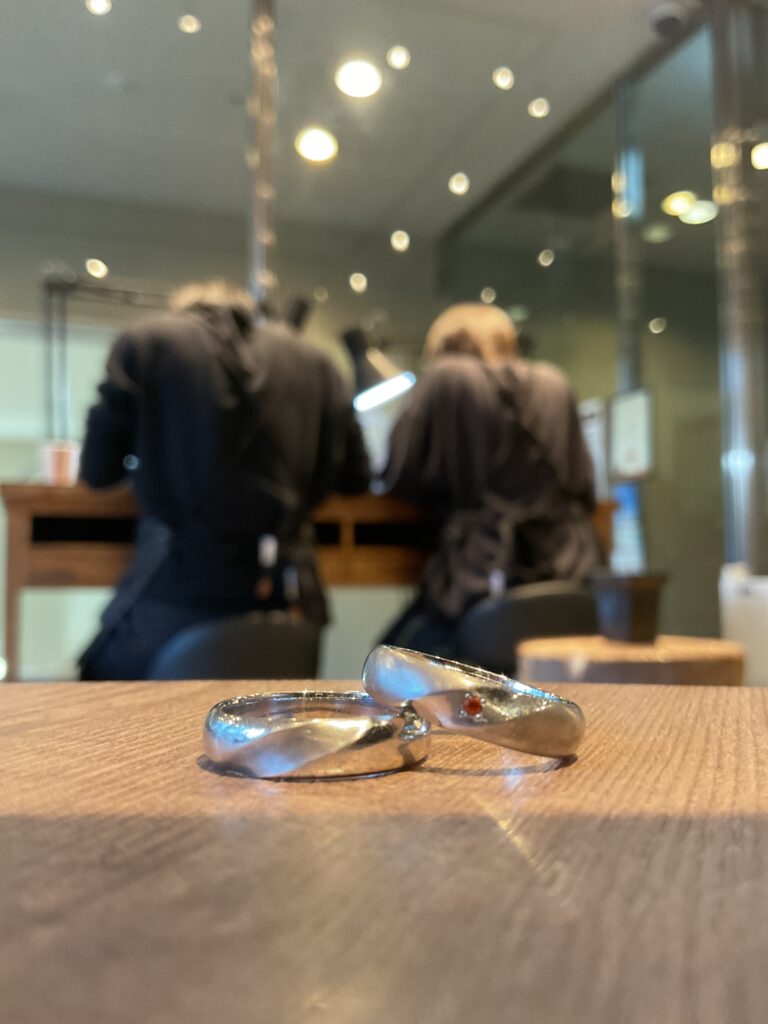
At Kobo Smith Sapporo, pair rings are available in a wide range of material widths from 2mm to 10mm, allowing customers to experience the craftsman's process of tapping the material with a mallet to stretch it and polishing it to change its texture. There are also a variety of options to add a personal touch, such as gold-based color coating, stone setting of your choice, and engraving of a special date or message.
Kobo Smith Sapporo offers a variety of customization options for handmade pair rings. You can personalize the design by adding a gold tone through color coating or by attaching a stone of your choice, such as a birthstone. You can also choose to have your anniversary date or message engraved. These options make it possible to create a unique and special pair of rings. Some options may be delivered at a later date.
Our experienced craftsmen, who also make engagement rings, will carefully support you through the entire ring-making process. Even if you have no experience in metalworking, rest assured that we have created an environment in which you can concentrate on creating your one-of-a-kind special ring. The world of metalworking, which is not something you can experience on a regular basis, will surely become a wonderful and unforgettable memory.
| Location | 2-1, Kita 5-jo Nishi 7-chome, Chuo-ku, Sapporo |
|---|---|
| Access | 5 minutes walk from Sapporo Station "Keio Plaza Hotel" 1F |
Sapporo Beer Garden, located in Sapporo, Hokkaido, is a historical spot known as the birthplace of Japanese beer culture.
Jingisukan and fresh beer served in a stately red brick building has become a staple of Sapporo sightseeing. Enjoy a special moment at this place where the history of beer and Hokkaido's food culture are fused together.
The red brick building "Kaitakushikan", the symbol of Sapporo Beer Garden, was built in 1890 as a sugar factory. After that, it was transformed into a malting factory and then into Sapporo Biergarten in 1966. The red star on the brick chimney is a symbol of the Kaitakushi (Hokkaido Development Assistance) and Tondenbou (Tonden Soldiers), and shows the tradition and pioneering spirit of Sapporo Beer.
The history of Sapporo Beer Garden dates back to 1876, when the Hokkaido Development Commissioner established the Kaitakushi Beer Brewery (now Sapporo Factory). This is the memorable place where the Japanese beer industry began, and Sapporo Beer Garden carries on this tradition. The words "If you make wheat and hops, you can make beer," which are displayed at the entrance of the brewery, express the difficulty of beer brewing and the passion of our predecessors.
At Sapporo Beer Garden, you can taste a variety of cuisines in each of the unique halls. It is the perfect place to gather with friends, dine with family, or spend a special time in a relaxed atmosphere. It is a place loved not only by tourists but also by locals and filled with memories for many. Enjoy a special moment at Sapporo Beer Garden, where the aroma and history of beer wafts through the air, along with the flavors of Hokkaido.
| Location | 2-10, Kita 7-jo Higashi 9-chome, Higashi-ku, Sapporo |
|---|---|
| Access | 10 min. walk from Exit 4 of Higashi Kuyakushomae Station on the Toho Line. |
Click here for Sapporo Beer Garden WEB site
The recommended course for the third day is sightseeing in Otaru. Here are some of the recommended sightseeing spots in Otaru.
Otaru Aquarium, a popular sightseeing spot in Hokkaido, is a large aquarium that attracts about 400,000 visitors annually. Located in Otaru's perfect location overlooking the Sea of Japan, the attraction of the aquarium is that visitors can encounter marine creatures in a natural setting. The aquarium exhibits about 250 species and 5,000 living creatures, and its highlights include a powerful performance by dolphins and an exhibit of rare harbor porpoises!
Otaru Aquarium has more than 70 tanks of various sizes, displaying 5,000 various sea creatures of about 250 species. Visitors can encounter a variety of creatures from different environments, from fish living in cold seas to those in warmer waters.
The dynamic performance by the popular dolphins is a must-see. In addition, the breeding and exhibition of porpoises, which are rare in Japan, provides a rare opportunity to see them.
One of the major features of Otaru Aquarium is the "Marine Animals Park. Here, seals and Steller's sea lions are bred in a vast pool made directly from the natural sea. Visitors can observe the wild and energetic animals living in the same environment as the sea, which is inhabited by seaweed and fish.
Living in a near-natural environment affected by weather and waves, these marine animals are robust and live in near-wild conditions. The coastline facing the Marine Animals Park is a national monument and is home to a rich ecosystem, including wild sea lions, seals, Steller's sea eagles, and falcons.
The Otaru Aquarium's Marine Park is a natural environment created by partitioning off the actual sea. Here, seals and Steller's sea lions live in the sea, where kelp grows thickly and fish swarm. The animals are full of vitality as they live in an environment that accepts changes in the weather as it is.
The coastline facing the marine mammal park is a national monument and is home to wild sea lions, seals, and Steller's sea eagles, indicating a rich ecosystem.
| Location | 3-303, Shukuzu, Otaru-shi, Otaru |
|---|---|
| Access | Get off at JR Otaru Station. Otaru Aquarium Set Ticket (JR + bus + admission ticket) available at major JR Hokkaido station travel centers (Twinkle Plaza). |
Click here for the Otaru Aquarium WEB site
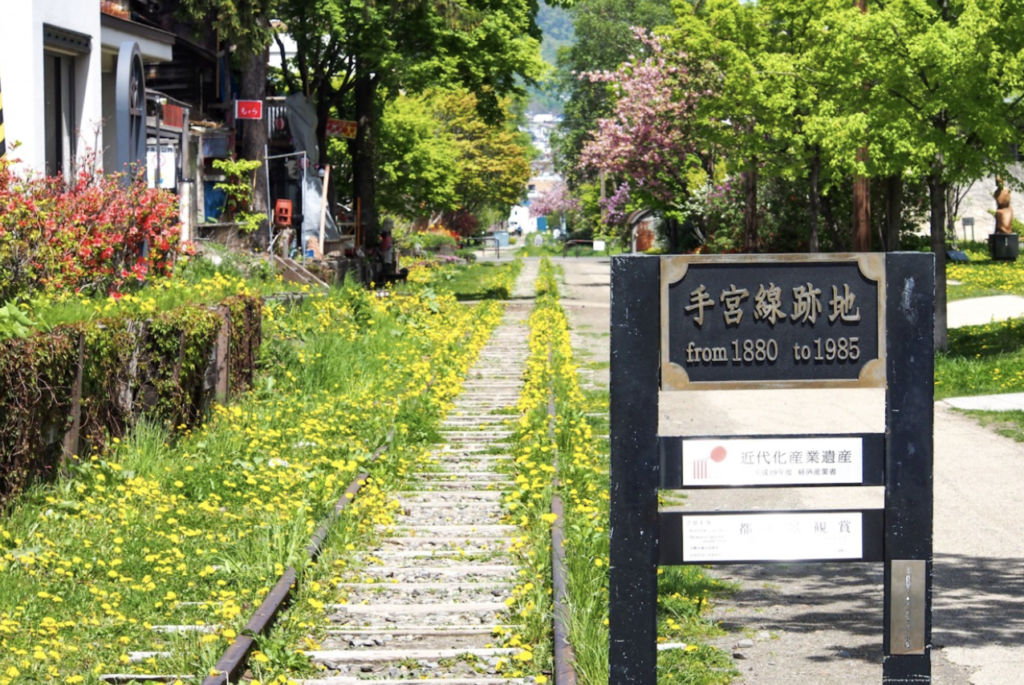
The former site of the Temiya Line, which runs from Otaru's Sushi-ya Street to the Otaru City Museum, is a valuable promenade where visitors can experience firsthand the history of the Hokkaido Railway.
While retaining the look of the railroad that once supported Hokkaido's industrial development, it has been reborn as a popular strolling spot for citizens and tourists alike.
(Image source: taken from the former site of the Temiya Line WEB site)
The Temiya Line was created in 1880 as part of the government-run Horonai Railway, the first railroad in Hokkaido. The line was built to transport coal mined in Horonai (Mikasa City) to Otaru Port, and played an important role in supporting the modernization of Hokkaido.
After the railroad was nationalized and renamed the Temiya Line, the line was discontinued in 1985. This railroad line has been in operation since the development of Otaru.
The former site of the Temiya Line is a part of the first railroad in Hokkaido that was opened to traffic and has been developed as a promenade. The tracks, railroad crossings, and circuit breakers that were used at the time remain, and visitors can feel the history of the railroad as they stroll along the 1.6-kilometer path.
This walking path leads from the center of Otaru to the Otaru City Museum, the birthplace of the Hokkaido Railway. It is popular among many tourists because of its retro atmosphere and the feeling of stepping back in time.
The former site of the Temiya Line is more than just an abandoned railway line; it also plays an important role as a cultural resource rooted in the community. It is a popular gathering place for citizens and tourists alike, serving as the site for annual festivals. In recognition of this historical and cultural value, in 2018 it was selected as a Hokkaido Heritage Site, "Otaru's Railway Heritage. Even if you are not a railroad fan, a stroll through Otaru's history and culture will be a special experience.
| Location | 1-15-14 Shikouchi, Otaru-shi, Otaru |
|---|---|
| Access | Approximately 16 minutes walk from JR Otaru Station |
Click here for the official Hokkaido Web site
Lutao's main store, known as one of Otaru's representative sweets stores, is located at the Mercure Crossing, the center of Otaru sightseeing. It features an impressive tower-like exterior and was opened in 1998.
On the second floor, there is a café space where you can enjoy "Fresh Douvre Fromage," which can only be found at the main store, limited edition sweets, tea, etc. The observation deck on the top floor offers a view of the city of Otaru and the sea. From the observation deck on the top floor, you can enjoy a view of the Otaru cityscape and the sea.
| Location | 7-16 Sakai-cho, Otaru-shi, Otaru |
|---|---|
| Access | 5 min. walk from Minami-Otaru Sta. on JR Hakodate Main Line |
Otaru Port once played an important role as the gateway to the development of Hokkaido. Since the Meiji era (1868-1912), the port developed as a port for herring fishing and coal loading, and many goods and people came and went through this port. In 1923, a canal was completed for more efficient unloading, supporting Otaru's commercial prosperity. Although the function of the port changed after the war, the historical buildings around the canal still remain, conveying the bustle of those days.
These buildings were later revitalized as restaurants and stores and still attract many tourists today. The Otaru Canal is a symbol of the beautiful port city that has accompanied Otaru's history.
The Otaru Canal was created to improve the efficiency of Otaru Port, which flourished as the gateway to the development of Hokkaido. The canal, which was built by reclaiming the sea surface to facilitate the unloading of cargo from ships moored offshore, was completed in 1923 and was useful for transporting goods by barge.
However, as time went on and the port was improved, the role of the canal came to an end. For a time, plans were made to reclaim the canal, but a citizens' movement to preserve the canal was launched, and after more than a decade of controversy, a portion of the canal was reclaimed, giving the canal its current appearance. The canal preservation movement became nationally known and led to Otaru's revival as a tourist city.
The Otaru Canal offers an abundance of great spots for taking pictures. The classic is Asakusabashi Street Garden, which attracts many tourists. From here, you can capture the gently curving canal and stone warehouses in one photo. Chuobashi Kaen is another popular spot, conveniently located near the canal cruise boarding point.
The North Canal area has been maintained at its original 40-meter width, with moored ships, warehouses, and factories, providing a view that gives the area a port town atmosphere. Kitahama Bridge and Asahi Bridge are also recommended for photography.
Sixty-three gas lamps have been installed along the Otaru Canal, and the stone warehouses along the canal have been preserved in their original state. At dusk, the gas lamps are lit up and the stone warehouses are illuminated, creating a fantastic atmosphere that differs from that of the daytime. The gas lamps are lit from sunset to 24:00, and the warehouses are illuminated from sunset to 22:30. When the evening sun goes down, the lights reflect off the surface of the canal water, creating a romantic scene.
| Location | 5 Minato-cho, Otaru City |
|---|---|
| Access | 8 minutes walk from JR Otaru Station |
Located in Inaho, Otaru City, "Wakadori Jidai Naruto Honten" is a long-established restaurant that has maintained its unchanged taste since its establishment in 1952. It offers a wide range of menu items, from its nationally renowned "fried half a young chicken" as its signature product to fresh seafood dishes unique to Otaru. The restaurant has long been a favorite of both local customers and tourists alike.
The "Deep Fried Chicken with Half a Chicken", a longtime favorite at Naruto-no-Honten, has a crispy, savory skin and a surprisingly juicy interior. The chicken is trimmed of excess fat, so the flavor is lighter than it appears, and the slight saltiness enhances the natural flavor of the chicken meat. When you bite into a hot piece of chicken, your mouth will be filled with the delicious flavor of the chicken, which goes perfectly with white rice or beer. This simple yet profound flavor continues to attract many people.
In addition to fried half-wakamichi chicken, the restaurant offers a wide variety of menu items including sushi, rice bowls, various set menus, curry, ramen, and other dishes using seafood from Otaru. The popular "Wakadori/Sushi Set" is a luxurious set meal that allows you to enjoy the signature dish, fried half a chicken and sushi at the same time. The restaurant also offers the Hokkaido specialty Zangi-don, a bowl of rice topped with Zangi, and Tsukune Cheese Yaki, a popular dish among women, allowing you to fully enjoy Otaru's rich food culture with a variety of dishes.
NARUTO HONTEN places importance on the two basic principles of "giving customers a taste of deliciousness" and "serving good food at a reasonable price. By maintaining our original taste without being influenced by trends, we have gained the trust of many customers over the years.
The "Wakadori Jidai Naruto Honten" is a long-established restaurant that has been a favorite in Otaru for over 70 years since its establishment in 1952. The reason why the restaurant is favored by locals and tourists alike is because of the unchanged deliciousness of its signature dish, "Fried Chicken with Half a Chicken". We keep our basic philosophy of "offering customers a taste of deliciousness" and "serving good food at a reasonable price," and continue to maintain our original taste without being influenced by trends. We have also devised ways to make it easy to use the restaurant for various occasions, from large groups to single customers, and we continue to make efforts to remain a restaurant loved by many people.
| Location | 3-16-13 Inaho, Otaru-shi, Otaru |
|---|---|
| Access | 7-8 minutes walk from Otaru Station |
Click here for the Wakadori Jidai Naruto-Honten Web site.
On the fourth and final day,Sapporo to New Chitose AirportHere is a course to enjoy the last sightseeing in
Nijo Market, located in the center of Sapporo, Hokkaido, is a traditional market with a history of over 100 years.
It is said that the market was established in the early Meiji period (1868-1912) when fishermen from Ishikari Beach began selling fresh fish. Today, the market is not only the kitchen of the citizens, but also a popular tourist spot for visitors. Experience Hokkaido's rich food culture at this lively market, where the lively shouts of the sellers echo through the air.
Surrounded by the sea on all sides, Hokkaido is a treasure trove of seafood. Fresh seafood from all over Hokkaido gathers at Nijo Market in Sapporo, the capital of Hokkaido. About 20 fishery companies and fresh fish stores line the market, selling fresh seafood such as crabs, hokke, scallops, and other fresh seafood purchased that day at market prices. The colorful seafood is a feast for the eyes.
In addition to fresh seafood, Nijo Market offers a wide variety of vegetables and fruits grown in the fertile land of Hokkaido. A variety of seasonal produce, including specialty melons, grapes, and apples, line the shelves.
In summer, we also recommend sweet corn. You can find items that make great gifts. Some stores offer tastings, so you can taste before you buy.
Located in the heart of Sapporo, Nijo Market has a history of over 100 years and is a bustling kitchen for the citizens of Sapporo. The lively market is filled with the voices of vigorous sellers and an abundance of fresh seafood, seasonal vegetables and fruits produced in Hokkaido. In addition to the stores facing the street, many stores are located indoors, each offering a different atmosphere. At the back of the market, there is also "Noren Yokocho," which attracts Sapporo's food connoisseurs and offers a wide variety of restaurants.
The Hakodate morning market is lined with numerous restaurants offering fresh seafood. In particular, the "Donburi Yokocho Market" and "Ekini Market" are filled with restaurants offering seafood rice bowls and sushi made with freshly caught seafood.
You can also purchase fresh seafood in the market and have it cooked on the spot. The Ekini Market also has the famous "Original Live Squid Fishing Pond," a unique experience where you can have the squid you catch processed and taste it on the spot. Visitors can enjoy seasonal seafood in this lively market from early in the morning.
In Nijo Market, there are not only busy stores facing the street, but also many stores inside buildings. Entering through the entrance along the Sosegawa River, visitors can enjoy shopping in a relaxed atmosphere that differs from that of the street-front stores.
Near the market is "Noren Yokocho", which is recommended for its fresh seafood dishes as well as its casual izakaya (Japanese-style pubs). In between shopping, it is a good idea to take a break while enjoying the view of the "Sapporo TV Tower" seen from Sosegawa Park.
| Location | 1, Minami 3-jo Higashi, Chuo-ku, Sapporo |
|---|---|
| Access | 447m from Hosui-Susukino Station |
Click here for the Nijo Market WEB site
New Chitose Airport, the gateway to Hokkaido, is one of the leading airports in Japan, serving many routes not only from Japan but also from overseas. New Chitose Airport is one of the top airports in Japan in terms of the number of passengers and the number of departures and arrivals of airplanes, but its appeal goes beyond its function as a transportation hub.
As a major tourist destination with shopping, dining, relaxation facilities, and entertainment spots, it is a special place to begin and end your trip.
Located on the 3rd floor of the Domestic Terminal Building, Hokkaido Ramen Dojo is a popular spot for ramen stores representing the gourmet kingdom of Hokkaido.
Located on the 3rd floor of the New Chitose Airport Domestic Terminal Building, Hokkaido Ramen Dojo is a popular gourmet spot where Hokkaido's representative ramen stores gather. Ten carefully selected stores from famous restaurants in various regions, including Sapporo's Miso and Asahikawa's Soy Sauce, have gathered here, allowing visitors to taste unique ramen from all parts of Hokkaido at once.
Doraemon Wakuwaku Sky Park, located on the 3rd floor of the New Chitose Airport Terminal Building Liaison Facility, is an airport-direct theme park where visitors can enjoy the world of Doraemon.
In the Park Zone, visitors can experience attractions featuring secret tools and take mysterious photos.
At the café, you can enjoy a cute Doraemon-inspired menu, and at the store you can purchase limited-edition goods. Here, children and adults alike can fully enjoy the world of Doraemon.
It has been announced that this facility will close on July 14, 2025.
Located on Smile Road on the third floor of the New Chitose Airport Terminal Building, Lloyds Chocolate World is a must-visit spot for chocolate lovers.
This is the first facility of its kind at an airport in Japan that combines a chocolate factory, museum, and store, where visitors can observe the chocolate production process through glass windows free of charge. The store offers about 100 kinds of original Lloyds products, including many limited-edition items that can only be purchased here, making it the perfect place to look for souvenirs.
The museum offers a fun way to learn about the history of chocolate and can be enjoyed by adults and children alike.
The Ozora Museum, located on the third floor of New Chitose Airport's domestic terminal building, is a recommended spot for those interested in airplanes and air travel. Here, visitors can see exhibits of aircraft models from past generations and learn about the history of airplanes. There is also a store selling aircraft models and original goods, where aviation fans may find items they will love. From the observation area, you can watch airplanes take off and land up close.
The New Chitose Airport Onsen is located on the 4th floor of the domestic terminal building at New Chitose Airport. It is equipped with an indoor bath, an open-air bath, and a sauna, perfect for relieving travel fatigue. The sodium chloride spring water has a moisturizing effect and is pleasant to the touch.
The building also has a relaxation room and a restaurant called "Ajidokoro". The restaurant also offers a menu unique to Hokkaido, such as a Genghis Khan set meal, which can be used in combination with the hot spring for a more refreshing experience. Amenities are also provided so that guests can use the facilities without any necessities. The hotel can also be used as an accommodation facility, allowing you to relax until your flight.
New Chitose Airport WEB site is here.
Hokkaido is home to many fascinating sightseeing spots that are steeped in history and culture. In Sapporo, visitors can enjoy memorable experiences such as making sweets at Shiroi Koibito Park or creating a special pairing at Kobo Smith Sapporo.
In Otaru, visitors can stroll along the site of Hokkaido's first railroad and enjoy the beautiful Otaru Canal scenery. At Sapporo Beer Garden, you can enjoy the gastronomic delights while learning about the history of Hokkaido's beer, and at Otaru Aquarium, you will have a chance to meet marine creatures.
Gourmet food is also available, and you can taste traditional flavors at the long-established Wakadori Jidai Naruto Honten or enjoy fresh seafood and agricultural products at Nijo Market. The trip concludes at New Chitose Airport, where you can spend your time enjoying gourmet food, shopping, entertainment, and all the other attractions Hokkaido has to offer. By visiting these spots, you will be able to fully enjoy Hokkaido's nature, history, and culinary culture and experience a memorable trip.

Spots in Sapporo, Hokkaido
Sapporo for a date with your spouse! 13 date spots for an extraordinary experience
Spots in Sapporo, Hokkaido
Hokkaido: Recommended for Couples! From classic to hidden gems, 10 special date spots to deepen your bond
Spots in Sapporo, Hokkaido
Sapporo, Hokkaido - Perfect for anniversaries! Recommended experience date spots for couples!

Page Top